


Announcing 2026 Kempner Post-Baccalaureate Scholars
Five outstanding recent college graduates join post-bac program to pursue intelligence research
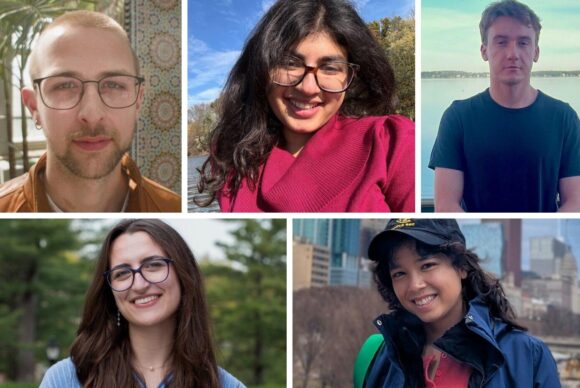
The 2026 Kempner post-bac scholars are (clockwise from top left) Myles Allred, Jiya Manchanda, Viktor Velev, Shani Getz and Isabelle Wagenvoord.
The Kempner Institute for the Study of Natural and Artificial Intelligence at Harvard is pleased to announce the 2026 cohort of scholars awarded placement in the Kempner Institute Post-Baccalaureate Program. The 2026 post-bac scholars are Myles Allred, Shani Getz, Jiya Manchanda, Viktor Velev, and Isabelle Wagenvoord.
The Kempner’s post-bac training program, run in partnership with the Research Scholar Initiative (RSI) at the Harvard Graduate School of Arts and Sciences (GSAS), supports students seeking advanced coursework and research opportunities in preparation for applying to Ph.D. programs in intelligence research.
All five 2026 recipients are recent college graduates pursuing research related to the study of intelligence in biological or artificial systems. Post-bac scholars receive two years of full funding and professional development opportunities, which include coursework and research mentorship.
Meet the 2026 Post-Bac Scholars
By examining the similarities and differences among various intelligent systems, I hope to deepen my understanding of the extraordinary interplay between natural life and artificial intelligence, and gain skills that will allow me to contribute to designing systems that enhance human society.
Myles Allred, University of Illinois at Chicago ‘26, Kempner Institute Post-Bac Scholar

I am fascinated by the way molecular neural mechanisms encode for human intelligence and decision-making, and I believe that computation is a promising approach to answering certain pressing interdisciplinary questions. As the Kempner sits at the forefront of this emerging field, the research experience and mentorship of this post-bac offer me a launching point to kickstart my career in computational neuroscience.
Shani Getz, Amherst College ’26, Kempner Institute Post-Bac Scholar
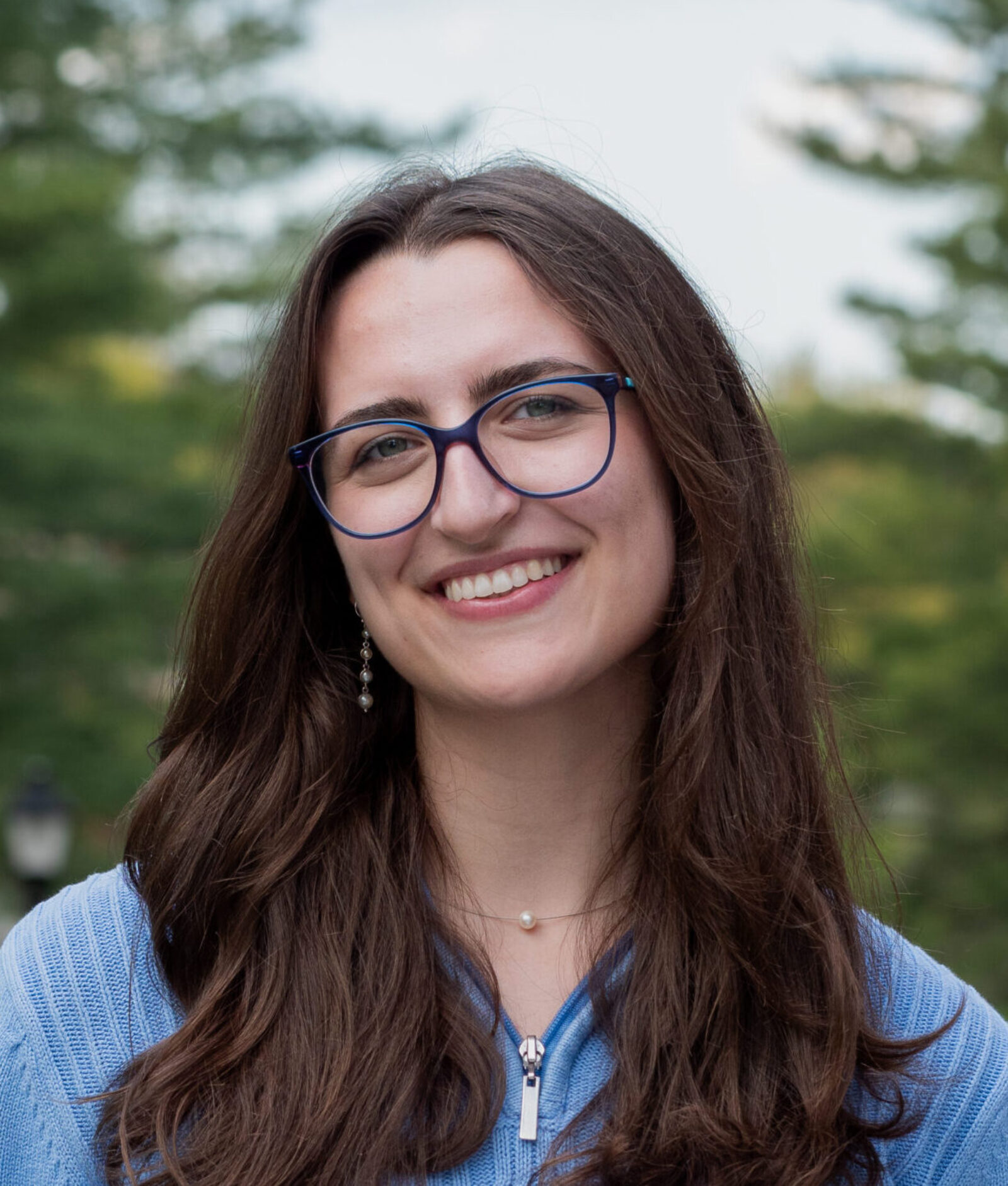
Kempner struck me as singular in achieving integration on two levels at once. Institutionally, it pairs the computational infrastructure of industry with the research freedoms of academia, a rare bet. Intellectually, the disciplines I’m most interested in — cognitive science and AI — are treated as continuously in dialogue.
Jiya Manchanda, Rollins College ‘25, Kempner Institute Post-Bac Scholar
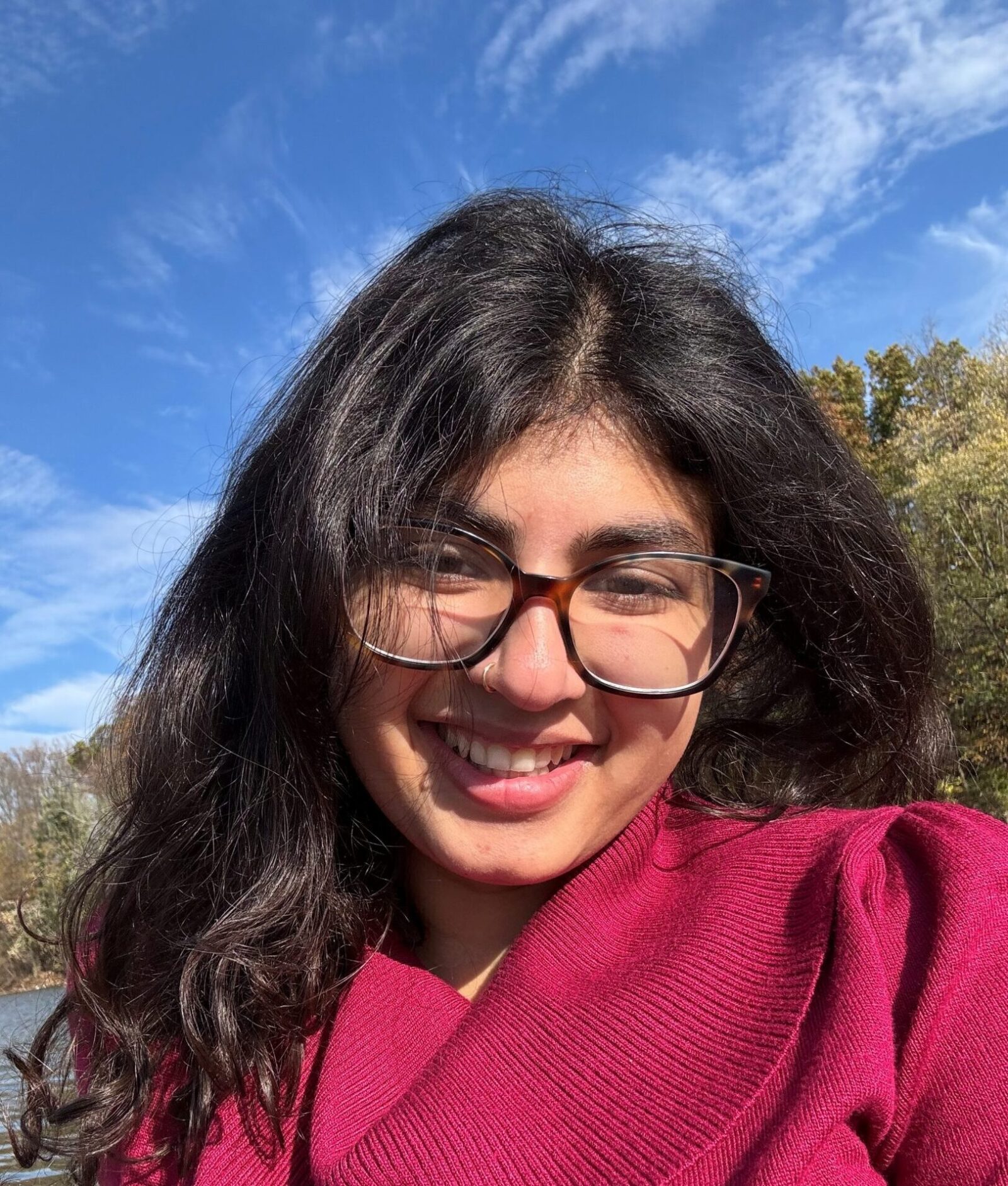
The post-bac program represents an ideal opportunity to immerse myself in foundational problems in intelligence research, engage with researchers across disciplines, and build the experience necessary for a Ph.D.
Viktor Velev, University of Wisconsin-Madison ‘26, Kempner Institute Post-Bac Scholar

I want to understand whether [modern AI] methods can be informed by insights from natural intelligence and other fields, and how this could expand ML access in under-resourced domains. Kempner’s interdisciplinary environment and mentorship would allow me to explore these connections and refine my research direction.
Isabelle “Izzy” Wagenvoord, Colorado College ‘25, Kempner Institute Post-Bac Scholar

About the Kempner
The Kempner Institute seeks to understand the basis of intelligence in natural and artificial systems by recruiting and training future generations of researchers to study intelligence from biological, cognitive, engineering, and computational perspectives. Its bold premise is that the fields of natural and artificial intelligence are intimately interconnected; the next generation of artificial intelligence (AI) will require the same principles that our brains use for fast, flexible natural reasoning, and understanding how our brains compute and reason can be elucidated by theories developed for AI. Join the Kempner mailing list to learn more, and to receive updates and news.